
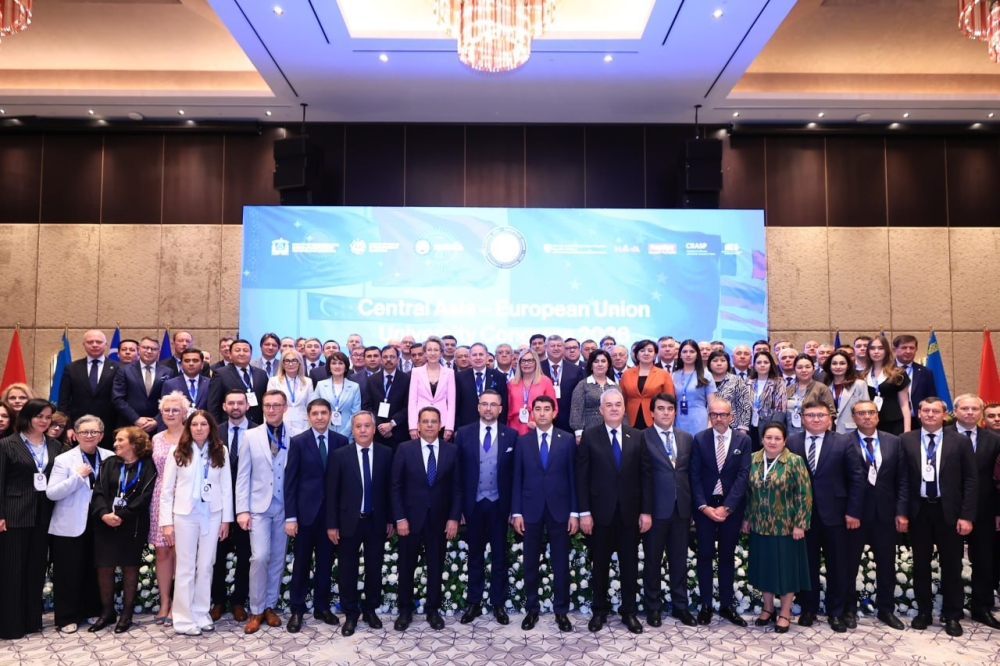
The Central Asia–European Union University Congress was held in Samarkand, bringing together representatives of higher education institutions, policymakers and international organisations to discuss the future of academic cooperation between the two regions. The event was organised alongside the 3rd Rectors’ Forum of Poland and Uzbekistan.
Central Asia, with its growing economy, rich natural resources, dynamic demographics and increasing geopolitical importance, is gaining greater attention at the international level. This was clearly reflected at the first EU–Central Asia Summit held in Samarkand on 3–4 April 2025, which brought together the leaders of the European Union and the Presidents of Uzbekistan, Kazakhstan, Kyrgyzstan, Tajikistan and Turkmenistan.
The Summit marked a new stage in relations with the adoption of a strategic partnership between the European Union and Central Asia, focusing on key areas such as transport, energy, digital connectivity and sustainable development, while also emphasizing the importance of cooperation in education and science.
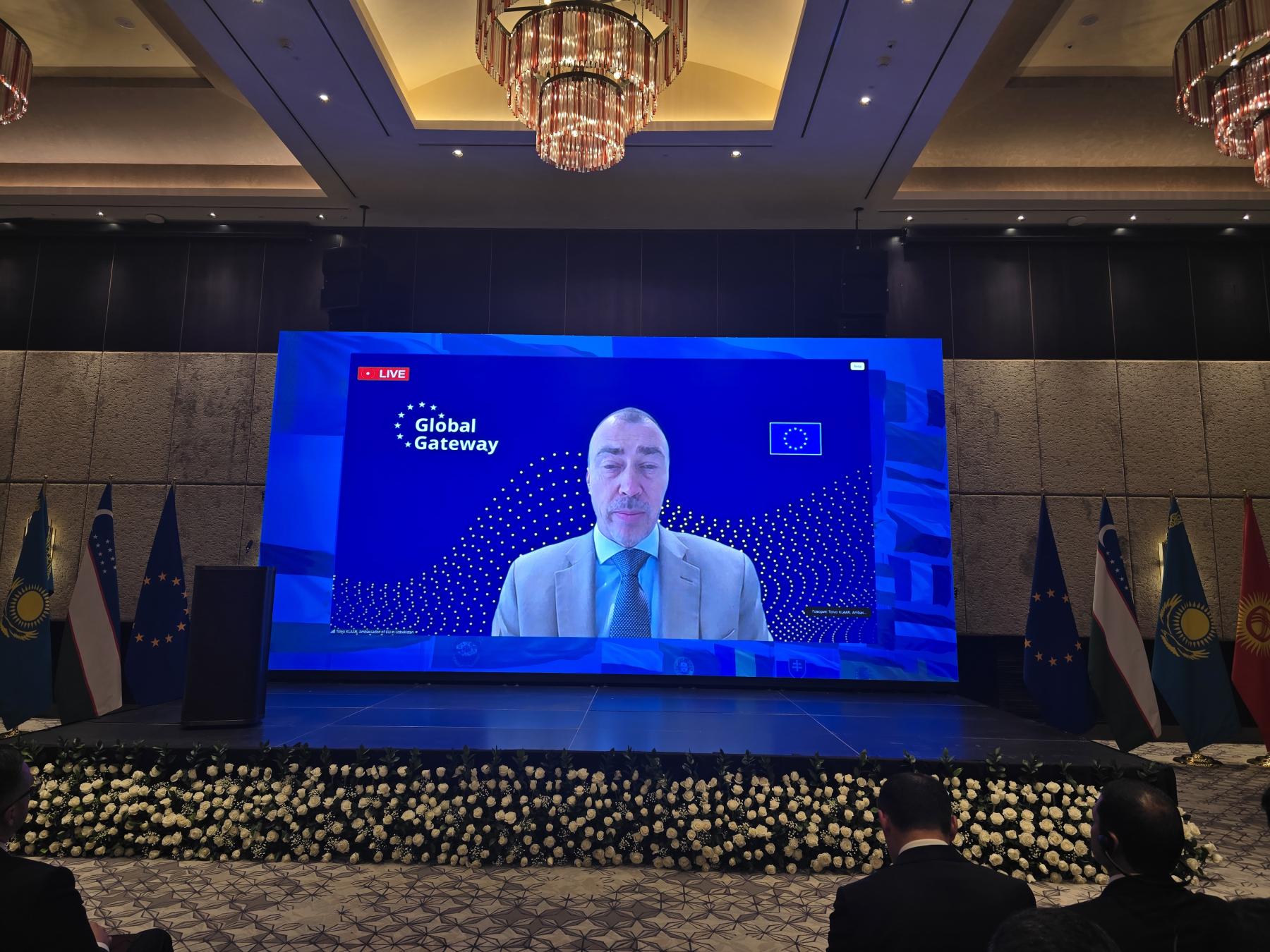
In this context, the University Congress in Samarkand provided an important platform to advance academic cooperation. The discussions were enriched by the contribution of the European Union Ambassador to Uzbekistan, H.E. Toivo Klaar, who highlighted the strategic importance of higher education cooperation within the broader EU–Central Asia partnership and reaffirmed the EU’s commitment to supporting the region through programmes such as Erasmus+.
The panel discussions, including the intervention of Ms Aziza Abdurakhmanova, Coordinator of the National Erasmus+ Office in Uzbekistan, speaking on behalf of Central Asian NEOs, emphasised the evolving role of the Erasmus+ Programme in strengthening institutional partnerships, contributing to the modernisation of higher education systems across the region and supporting learning mobility.
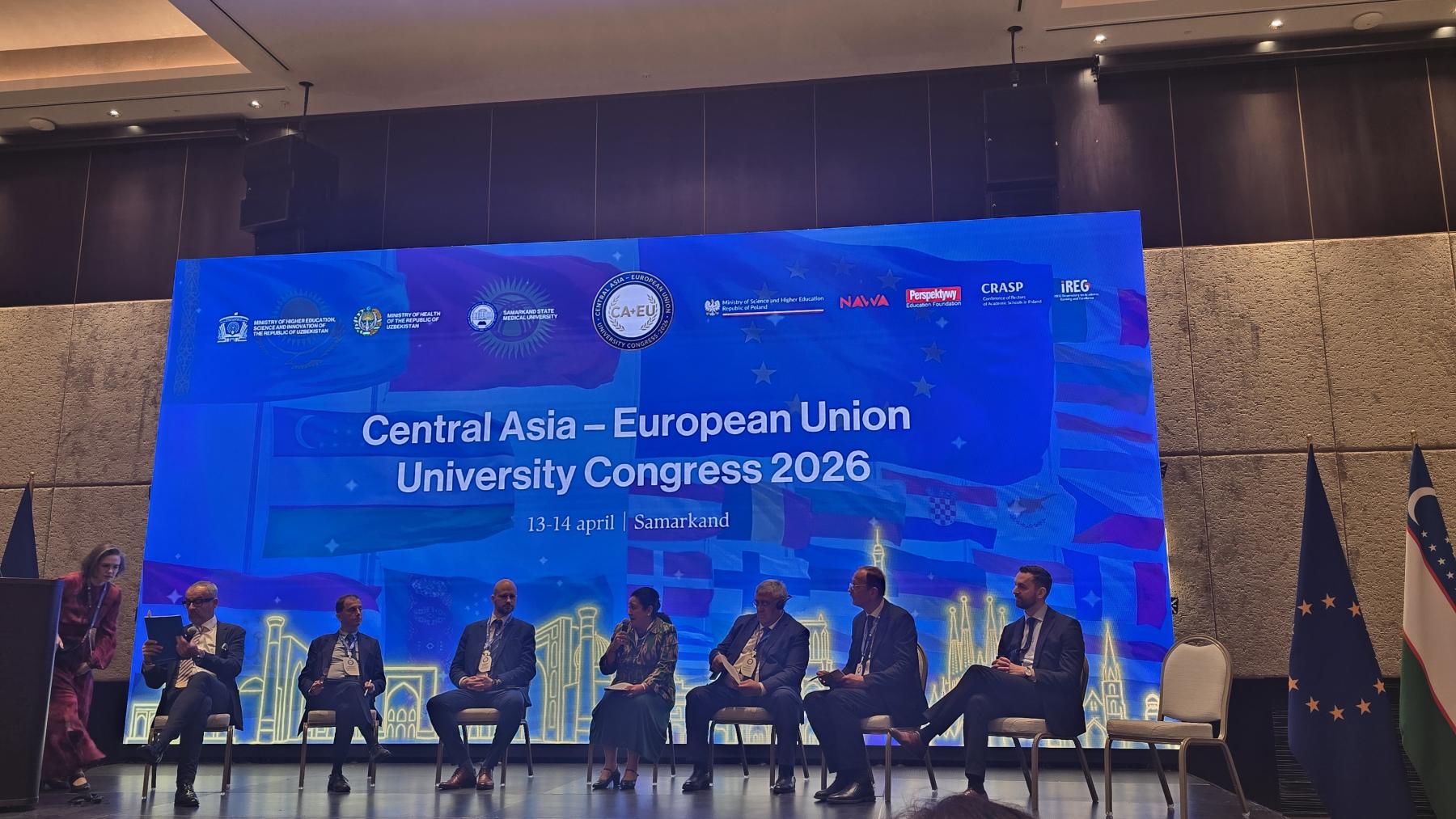
Particular attention was given to the impact of Capacity Building projects on the overall quality of higher education, especially in priority fields such as medicine, engineering, and agrarian and environmental sciences, as well as their contribution to strengthening university governance and links with socio-economic development.
At the same time, participants noted key challenges, including strong competition for funding, the need to ensure the sustainability of project results, and the importance of improving their dissemination and strengthening cooperation with industry.
Looking ahead, priority areas for cooperation include digital transformation and artificial intelligence, green transition and climate resilience, water resource management, sustainable energy, and biotechnology. The discussions also highlighted the importance of strengthening synergies between Erasmus+ and other EU programmes, such as Horizon Europe and the Marie Skłodowska-Curie Actions.
The Congress confirmed the growing role of Central Asia as an active partner in international academic cooperation and underlined the importance of developing sustainable, long-term partnerships between the two regions.


